
In my last post , I introduced the idea of creating a coping skills toolkit—a personalized set of strategies you can turn to when you’re feeling overwhelmed, disconnected, or emotionally flooded. In this post, we’re going to focus specifically on coping skills for the dorsal vagal state—the nervous system state associated with shutdown, numbness, and withdrawal.
One of the most effective ways to build your toolkit is by tailoring it to different nervous system states. Because when you’re struggling, especially in a state of deep shutdown, it can be incredibly hard to think clearly or remember what helps.
It’s not a personal failing—it’s your biology, part of being in a human body. Your brain and body are doing their best to support you, but in the process, your usual coping strategies can feel completely out of reach.
That’s why preparing in advance matters. By exploring and practicing what supports you in each state—before you’re in the thick of it—you’ll have helpful, familiar tools ready when you need them most.
What is a coping skills toolkit?
A coping skills toolkit is a personalized collection of tools, practices, and resources you can use to regulate your nervous system and manage stress, overwhelm, or shutdown.
In this post, we’ll focus on the dorsal vagal nervous system state, which often shows up as numbness, withdrawal, or a sense of collapse. I’ll walk you through gentle, body-based practices, grounding tools, and music strategies to help you slowly shift out of shutdown—without overwhelming your system.
Coping Skills for the Dorsal Vagal State (Shut Down, Disconnected, Low Energy)
When you’re in a dorsal state, you may feel hopeless, withdrawn, or like you want to disappear under the covers. Start where you are. If you’re in freeze, pushing yourself to “do” might make things worse. Take things slowly.
Reflect on what helps you feel recharged when you’re feeling drained and disconnected. Make sure to come up with ideas you can do both on your own and ideas you can do with others, based on the work of Deb Dana.
Tip: Write down what you think might work best for you in a place you can access easily—like a note on your phone or take a photo of a hand-written list. If it’s in a note, you can easily add to it as you think of new ideas.
Below are ideas to help you brainstorm what might help you.
Soothing strategies to try on your own:
- Gentle yoga or stretching
- A warm bath or shower
- Listening to calming music
- Resting or taking a nap
- Soft textures (weighted blanket, cozy socks)
- Watching gentle, familiar shows
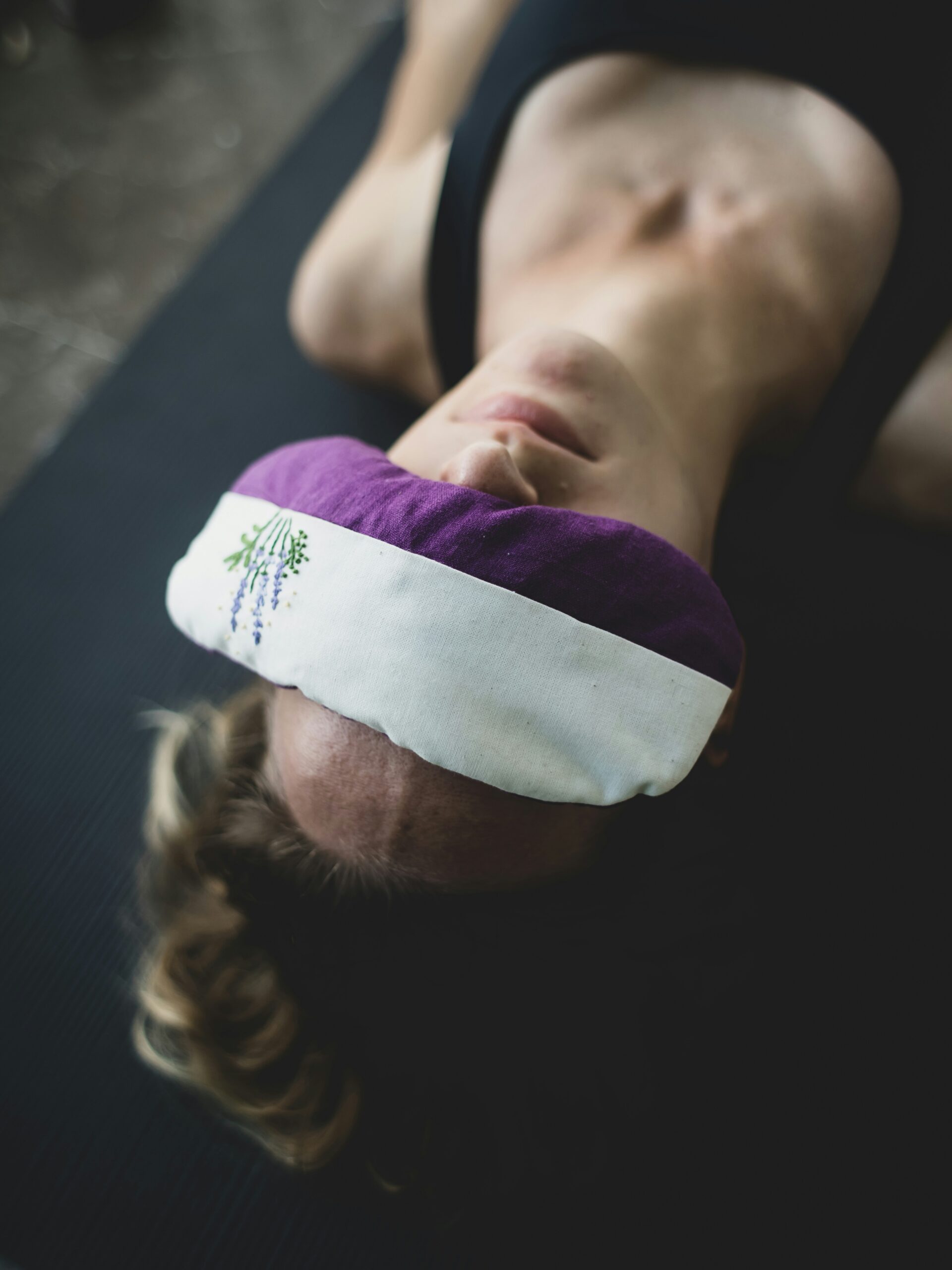
These gentle practices are a great foundation of coping skills for the dorsal vagal state, especially when even small tasks feel hard to initiate.
Gentle Affirmations for the Shut-Down State
These affirmations are not meant to “fix” you—but to offer small anchors of kindness when you’re feeling numb, disconnected, or low. Tune in to what words might feel “just right” and offer them to yourself when you need them.
Sample affirmations:
- “It’s okay to rest.”
- “I don’t have to figure everything out right now.”
- “This moment is enough.”
- “Even small steps are still steps.”
- “My body is doing the best it can.”
- “This feeling will pass.”
Comforting strategies with others:
- Asking for a hug or quiet physical presence
- Sitting together without pressure to talk
- Slow, quiet walks
- Cuddling with a pet
- Receiving nurturing touch (hand-holding)
- Eating a comforting, nutritious meal together
Grounding Coping Tools to Support the Dorsal Vagal State

In our modern lives, most of us are often disconnected from the natural world—and from our own bodies. This can leave us feeling scattered, spacey, or chronically ungrounded. Grounding practices help bring us back to the present moment, reconnecting us with ourselves and the earth. Making time to ground each day can be a powerful way to support your nervous system and overall well-being.
Try:
Body-based grounding ideas:
- Feel your feet on the floor and notice the weight of your body
- Do a slow body scan, tuning into physical sensations
- Practice embodiment practices such as gentle yoga, qigong, or mindful stretching
- Breathe slowly with one hand on your heart and one on your belly
Sensory grounding ideas:
- Hold a warm mug and focus on the feeling in your hands
- Notice 5 things you can see, hear, and touch
- Touch natural elements—grass, trees, stones, or soil
- Use essential oils and take a mindful inhale
Visual and nature-based grounding ideas:
- Watch a candle flicker or light streaming through leaves
- Step outside and look at the sky, clouds, flowers, or tree branches. Linger on these images.
- Take your shoes off and walk barefoot in the grass or on dirt
- Name colors or shapes in your environment

Using Music to Support Nervous System Regulation
Music is one of the most accessible and effective tools for nervous system support. And it can help no matter what state you’re in. Whether you’re feeling:
- Shut down
- Anxious and overstimulated
- Grounded and connected
…music has the power to shift your internal state or help you stay anchored. Because of its versatility, music can be part of your coping skills toolkit in multiple ways:
- It can gently lift you out of a low-energy state
- Help discharge excess energy when you’re agitated
- Or deepen a sense of calm when you’re already feeling good
For me personally, music is one of my go-to coping strategies.
At the end of the day, when I feel drained and don’t think I have the energy to make dinner—or do anything but lie on the couch—turning on a playlist can completely transform my mood and energy levels within minutes. It often feels like magic.
In my experience, your nervous system is specific—it knows what it wants. Allow it to direct you to the music that feel “just right.” You can also create playlists for different emotional states:
- Sad
- Angry
- Grounded and peaceful
- Hopeful
- Playful and Fun
This way, you’re not scrambling to find something when you’re already dysregulated.
Tip: Start by matching your music to your current mood—then gradually shift toward the mood you want to feel.
For example, if you’re feeling sad, start with something mellow or moody before easing into something more upbeat. Jumping straight to high-energy party music might feel jarring and ineffective.
Music can be an incredibly accessible part of your coping skills for the dorsal vagal state, offering a low-effort, high-impact way to shift your internal state without pushing too hard or too fast.
Start Your Dorsal Vagal Coping Toolkit
Start building your toolkit by asking yourself:
What helps me when I feel low, shut down, withdrawn or disconnected?
Write down as many things as you can think of so you have a menu of options when you need it. Make sure to include things you can do on your own and with others. Practice them on the good days so you’re ready for the hard ones.
You deserve support—and that starts with knowing what truly helps you feel better.
If this post resonated with you, consider bookmarking it or sharing it with someone who might need it too. And stay tuned: in my next post, I’ll be sharing coping strategies for the sympathetic state—when your nervous system feels anxious, restless, or on edge.
Want More Support? Join the Regulate & Restore Small Group
If you’re ready to deepen your self-awareness and create practical tools for your nervous system, I’d love to invite you to Regulate & Restore—a 4-week small group designed to help you reconnect, rebalance, and feel more at home in your body. Contact me to join the waitlist for the next group.
In this supportive space, you’ll:

- Practice attuning to your nervous system so that you can better understand how it communicates with you
- Map out what different nervous system states feel like for you
- Identify your unique triggers to dysregulation as well as “glimmers” that help you feel more regulated
- Create your personalized coping toolkit for each nervous system state
This group is ideal if you want to move from overwhelm to understanding, and build emotional resilience in a gentle, sustainable way. Read more about this small group opportunity here.
Email me at christinarusell.lpc@gmail.com to save your spot for the next group.